If it is a little tougher to pick up your child or your dog, for example, after a few months of intermittent fasting, you may not be getting proper nutrition, such as consuming enough protein. Intermittent fasting has made me feel healthier and given me a boost in energy, all while allowing me to enjoy the foods I love. Stick to water and black, unsweetened tea, coffee or herbal teas.
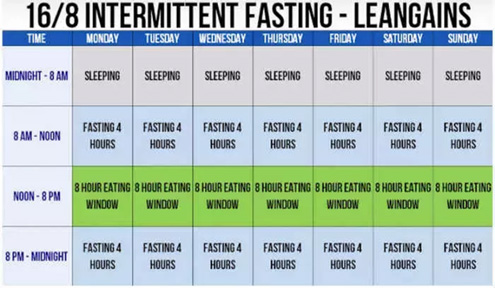
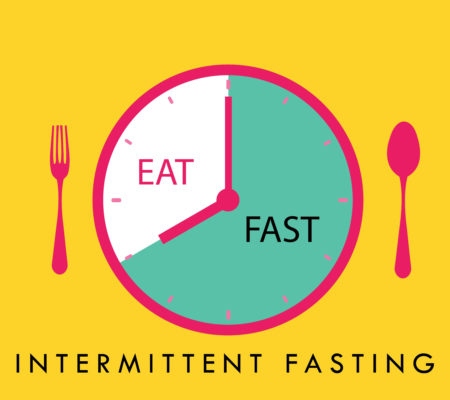
Focus on lean proteins, healthy fats, whole grains, fruits and vegetables. Try to avoid processed foods, sugary sweets and consuming too many calories during your eating window. The 16/8 intermittent fasting method involves fasting for 16 hours and eating during an 8-hour window each day, though you are still allowed to drink water and other zero-calorie beverages. A common schedule is to eat between noon and 8 p.m., which allows you to skip breakfast and still enjoy lunch and dinner. The main characteristics of this body type include slowed metabolism and an increased tendency to store excess fat.
Find a doctor near me
In fact, this method has a certain effect on weight loss, but you still need to maintain a reasonable diet, combined with a workout routine. Let’s take a look at the benefits and risks before starting fasting for weight loss. These nutrients help stabilize blood sugar levels, keep you full longer, and prevent energy crashes. Skipping highly processed foods and excess sugar will make fasting easier and support better overall health.
Was it hard to start intermittent fasting?
With the availability of food “on-demand” more and more people are opting for prepared foods, whether through a drive thru or delivered to your door. According to our research, the 16/8 method is the easiest to maintain and integrate into a routine, especially when compared to a detox meal plan. Salad bowls are a favourite with tuna or eggs for protein, some hummus or avocado for good fats and oat cakes for carbohydrates. On particularly hungry days, I’ll have yogurt with berries and peanut butter for a snack. Don’t forget to keep drinking plenty of water once your fast is done, as that will continue to help your health in all areas. There is a natural tendency after fasting to dive right back into food and to overeat, and that can lead to a lot of stomach discomfort and create a lot of discomfort.
Improves Blood Sugar Control
To clarify some definitions, fasting is purposely not eating food. In contrast, starvation is not being able to eat due to factors out of your control, such as food insecurity. This metabolic switch does more than meet the body’s immediate energy needs, Dr. Steger says. “In general, the switch from using glucose to ketones is a trigger point—it shifts your metabolism from focusing on storage and growth to being all about repair and replace,” she explains. When your body uses ketones instead of fat, you may lose weight. But, behind the scenes, the ketones also may be having a positive effect on your body’s organs and cells.
Below is a breakdown of the types of carbohydrates, what they do to our bodies, which ones we can eat and those to avoid. Most of us know that too much sugar is not good for our overall health. But what you may not know is that growing research is showing what’s bad for the body may also be bad for the brain. In the last decade or two, protein powders have become increasingly popular among physically active and health-conscious individuals. Did you know skin cancer is the most common form of cancer in the United States?
2 Diet
- If you’re new to this, give yourself some time to figure out what type of fasting your body really benefits from, how your body responds during a fast.
- Some studies have also found that participants on intermittent fasting regimens lost muscle.
- It can also make you feel better, experts say, and help with other health matters like diabetes, sleep and cognitive decline.
- It can be tempting to consume refined (white) carbohydrates and sugary foods for a quick release of energy.
- These have high levels of unhealthy fats, salt, and refined sugars.
- Download the app today and take a hands-on approach to your healthcare.
When in doubt, ask your health care provider if it’s right for you. Even though intermittent fasting is about when you eat, you should still consider the types of foods you eat when you break your fast. This plan involves eating normally for one healthstartsinthekitchen.com/i-tried-unimeal-for-30-days-heres-what-personalized-meal-planning-really-feels-like/ day and restricting your calories the next, Cording says.
Gut Health Diet Plan
Don’t start knocking back the so-called sugar-free drinks as these can negatively impact your health. For dinner, my meals include dishes like wholemeal pasta with prawns, tofu salad with a tahini dressing, and cod with roasted vegetables and black beans. Once I stopped eating breakfast, I questioned if I had only been eating three meals a day out of habit. Now I am listening to my body’s cues and working up a hunger naturally, which means I website relish my first meal of the day.
Top doctors in ,
Special considerations should be made if you have ongoing health problems and you should consult with a physician before pursuing major dietary changes. You’ll soon start receiving the latest Mayo Clinic health information you requested in your inbox. All physicians featured on this website are on the medical faculty of Rush University Medical Center, Rush Copley Medical Center or Rush Oak Park Hospital. Although we have more analysis to do, the initial results of ZOE’s Big IF Study also suggest that TRE could help with other areas of health, such as bloating, mood, and energy. Plus, good sources of fiber and lean protein can help you feel fuller for longer. In terms of gut health, around 64% said they had reduced symptoms of bloating.
Eat more of your calories earlier in the day
Below we will provide some recommendations on effective fasting based on body type. To be more specific, different body types imply different metabolic rates and, thus, can adjust your individual response to fasting. The muscle-to-fat ratio also affects whether you will lose more fat or muscles during fasting.
Is intermittent fasting a sustainable approach to weight loss?
Each of these body types has its own specs and challenges and thus, requires a different approach to lose weight and build muscle. Mesomorphs usually don’t have issues with gaining or losing weight. Hence, if this is your body type, you need to adjust your eating plan based on the specific goals that you have. After determining what kind of body you have, you can start practicing intermittent fasting with a focus on your needs and goals.
Common Myths on Healthy Hydration Debunked
And you can eat the type of diet you like, whether it’s high- or low-carb, or low in fat. Your body’s main source of energy is a form of sugar called glucose, which circulates in the blood. When you eat a typical diet, your body has a steady supply of sugar, primarily from carbohydrates. But when you go hours without eating, you burn up all of your stored sugar.