By Brittany Lubeck, MS, RDNLubeck is a registered dietitian and freelance nutrition writer with a master’s degree in clinical nutrition. One of the most distinct similarities between the carnivore and paleo diets is that both diets are based on how prehistoric people ate. However, it has a few distinct differences from these other popular diets. While some people report consuming caffeine, it’s typically recommended that they only drink water and bone broth.
How the Carnivore Diet Compares to Other Diets
The carnivore diet may lead to rapid weight loss, which is generally considered unsafe. Typically, losing weight at a slower rate of no more than 1 to 2 pounds per week is considered safer and more effective. However, some researchers have found that a low-carbohydrate diet may worsen insulin resistance in healthy adults. Therefore, caution should be taken when following the carnivore diet or other low-carbohydrate diets. While there isn’t solid evidence that the carnivore diet improves insulin resistance, some evidence supports low-carbohydrate diets.
Nutrition
Influencers promoting the carnivore diet share many potential benefits, usually supported by anecdotal accounts. Scientific research specific to the eating plan is in short supply, says Patton. A 2022 randomized crossover trial found that a low-FODMAP diet significantly reduced abdominal pain, bloating, and stool irregularities in adults with irritable bowel syndrome. LeBrett says similar relief can often be achieved through following a low-FODMAP diet, without resorting to the extreme elimination of all plant-based foods. According to one meta-analysis, meat consumers tend to have lower rates of depression and anxiety compared to people who do not eat meat (vegans and vegetarians). However, researchers do not clearly explain why meat consumption may impact mood.
Gut health and diversity
As part of its restrictions, the carnivore diet essentially eliminates carbohydrates. When the body is deprived of carbs for fuel, it goes through a short period of burning stored sugar known as glycogen. (Once glycogen runs out, the body switches to deriving energy from fat, a process known as ketosis.) The body’s glycogen stores and water weight return if carbs are reintroduced. In fact, one review found that a high-protein, low-carb diet may increase your risk for gut inflammation. When your body digests large amounts of protein, it creates potentially harmful byproducts in your gut. These byproducts may have a negative effect on the health of your bowels.
Myth No. 2: The diet increases the risk of scurvy
On the keto diet, carbohydrates should be low, protein moderate, and fat high. However, no scientific evidence shows that the carnivore diet may benefit people with these or any other conditions. Like some other high-protein diets, the carnivore diet may help with weight loss. However, it’s important to note that too much protein in your diet may be harmful. A diet with excessive protein that is low in other nutrients may lead to kidney damage, poor bone health, and other issues. All health content on goodfood.com is provided for general information only, and should not be treated as a substitute for the medical advice of your own doctor or any other health care professional.
Can the carnivore diet harm your heart?
The carnivore diet may not be right for everyone, as it has potential side effects and specific risks. The carnivore diet may also help improve insulin resistance, a condition in which cells in your body do not properly respond to the hormone insulin, which helps move sugar into cells. The study in question lumped together different types of food, he noted, adding that there was “tremendous healthy user bias.”
In comparison, a five-gram increase in dietary fiber corresponds to a 5 percent reduction in the risk of depression. The diet may also positively influence metabolic health and inflammation. Some studies indicate that low-carb, high-fat diets can enhance insulin sensitivity and reduce inflammation, potentially lowering chronic disease risks.
Considerations and Risks
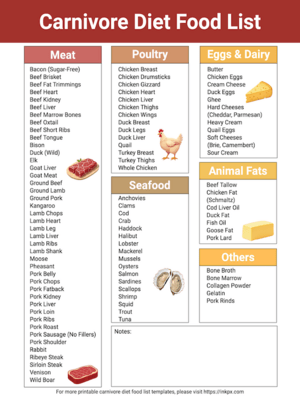
The carnivore diet excludes all plant foods; only foods derived from animals are consumed, including meat, fish, animal fats (e.g. lard, ghee) and (low lactose) dairy foods. So, breakfast might be eggs and bacon with cream, lunch could be cheese-topped meatballs – no herbs added – with chicken breast, and finally, roast beef and salmon for dinner. Even if you need to control blood sugar to help manage a medical condition such as type 2 diabetes, the carnivore diet is probably not ideal, Gannon says. Many health experts recommend the Mediterranean or DASH eating plan, both of which encourage eating from a variety of food groups. Similarly, all foods are on the table with the WeightWatchers Diabetes Program, which is proven to help you lose weight www.reviews.io/company-reviews/store/unimeal-com and lower your blood sugar.
Other Possible Benefits
Eating with a carnivore mindset has gained traction of late through books and social media influencers, but meat-only diets have been touted for hundreds of years. So, does the carnivore diet live up to its social media sizzle or is it best ignored in the name of healthful nutrition? Let’s take a closer look with the help of registered dietitian Kate Patton, RD, LD. Despite these risks, the carnivore diet continues to unimeal app find an audience, particularly among individuals frustrated by chronic digestive issues, food intolerances, or autoimmune symptoms. Among the first changes people report when on the carnivore diet is their digestion—less bloating, less gas, and a trimmer waistline. However, with no long-term clinical trials on carnivore diets, most health claims remain speculative.
- As those stores burn off, they release water, leading to rapid weight loss that’s mostly water, not fat.
- However, evidence supporting the impact of low-carbohydrate diets on mood remains scarce and is mostly anecdotal (based on individuals’ experiences).
- While there isn’t solid evidence that the carnivore diet improves insulin resistance, some evidence supports low-carbohydrate diets.
- The carnivore and paleo diets are also similar in that both are low-carbohydrate diets and may promote weight loss and better blood sugar control in the short term.
- One of the most distinct similarities between the carnivore and paleo diets is that both diets are based on how prehistoric people ate.
- High-sugar foods can also be problematic for people with diabetes, as they can spike blood sugar levels.
High in fat, cholesterol, and sodium
Staying informed about your food choices is key to successfully following the carnivore diet. Under normal circumstances, our body uses glucose from carbohydrate foods for energy. This is a state in which the body burns fats instead of carbohydrates as its main fuel source.
Whilst liver consumption is not necessarily appealing to the general population, it is more likely to be consumed in the context of the carnivore diet in the spirit of eating “nose to tail” for dietary variety. Vitamin C is particularly interesting to discuss in the context of a carnivore diet. O’Hearn [14] presented empirical evidence and plausible mechanisms which could explain the apparent absence of Vitamin C deficiency diseases (scurvy) among groups of people consuming a largely animal based/carnivore diet.
Myth No. 1: There is no evidence for the carnivore diet
A recent analysis of genomes from microbiota found in the human gut suggested that changes in the gut microbiota composition have the potential to impact dietary B vitamin requirements [48]. Further research connecting dietary patterns to microbiome vitamin synthesis pathways is needed. There are ways that intakes of several at-risk micronutrients could be optimised in the diet, as shown with the list of snacks and their corresponding nutrients in Table 5. However, it is important to note that versions of the diet which exclude or limit consumption some foods categories (i.e., dairy, pork, fish, and/or eggs) may have a higher risk of dietary inadequacies.